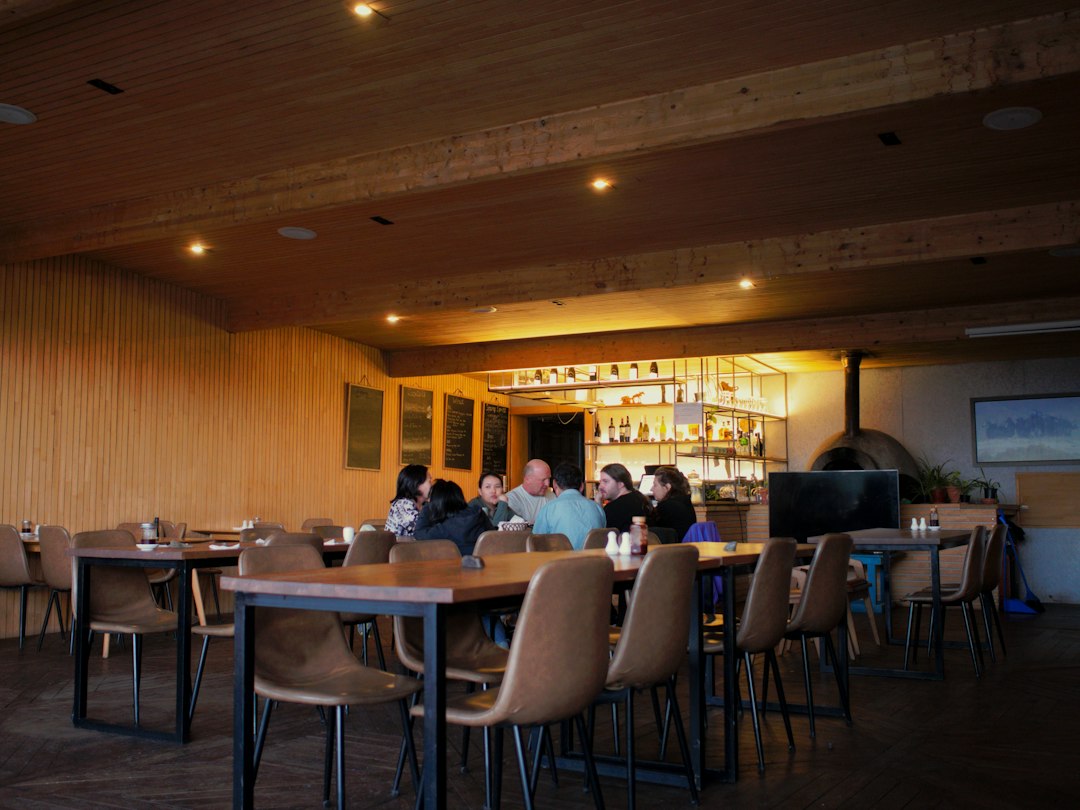
A full dining room in Metro Atlanta can look like a win from the sidewalk. Inside, a regular who came straight from work is still standing at the host stand, watching tables turn, with no word about the wait. That silence is where a loyal guest starts looking for another room.
The wait starts before anyone sits
Friday night is when a restaurant learns whether the host stand is a greeting or a holding pen. The guest already chose this restaurant. They crossed town, they know the dish they want, and they expected the room to notice. A wait by itself does not push a regular away. An unexplained wait does. They cannot tell whether a table is close or whether the room forgot they were standing there.
The National Restaurant Association describes a hospitable restaurant as a room that puts the comfort and experience of the guest first, eases people through the seating process, gets them settled, and notes what the party needs. That is a floor practice, not a software purchase. It can happen with a pen, a host who owns the list, and a server who is told, before the water lands, that this table waited.
On 2026-10-29 the public Metro ATL Directory restaurants category page displayed the heading 457 businesses in Metro Atlanta.
That line is the directory page's own public heading. It is not a census of verified open dining rooms, and this article does not inspect or endorse any named restaurant. The practical point is simpler. Metro Atlanta already shows a crowded public list of places to eat. A regular does not need a fresh reason to try the next name. A sloppy wait hands them that reason.
What the guest does while a table turns
Watch the person at the stand, not the pass. They look at the bar, they look at the door, and they look at the phone. They are deciding whether this night is still the night they planned. If the host does not speak, the phone wins. They text the friend who is parking. They pull up another restaurant in the same part of town. They are not angry yet. They are unprotected.
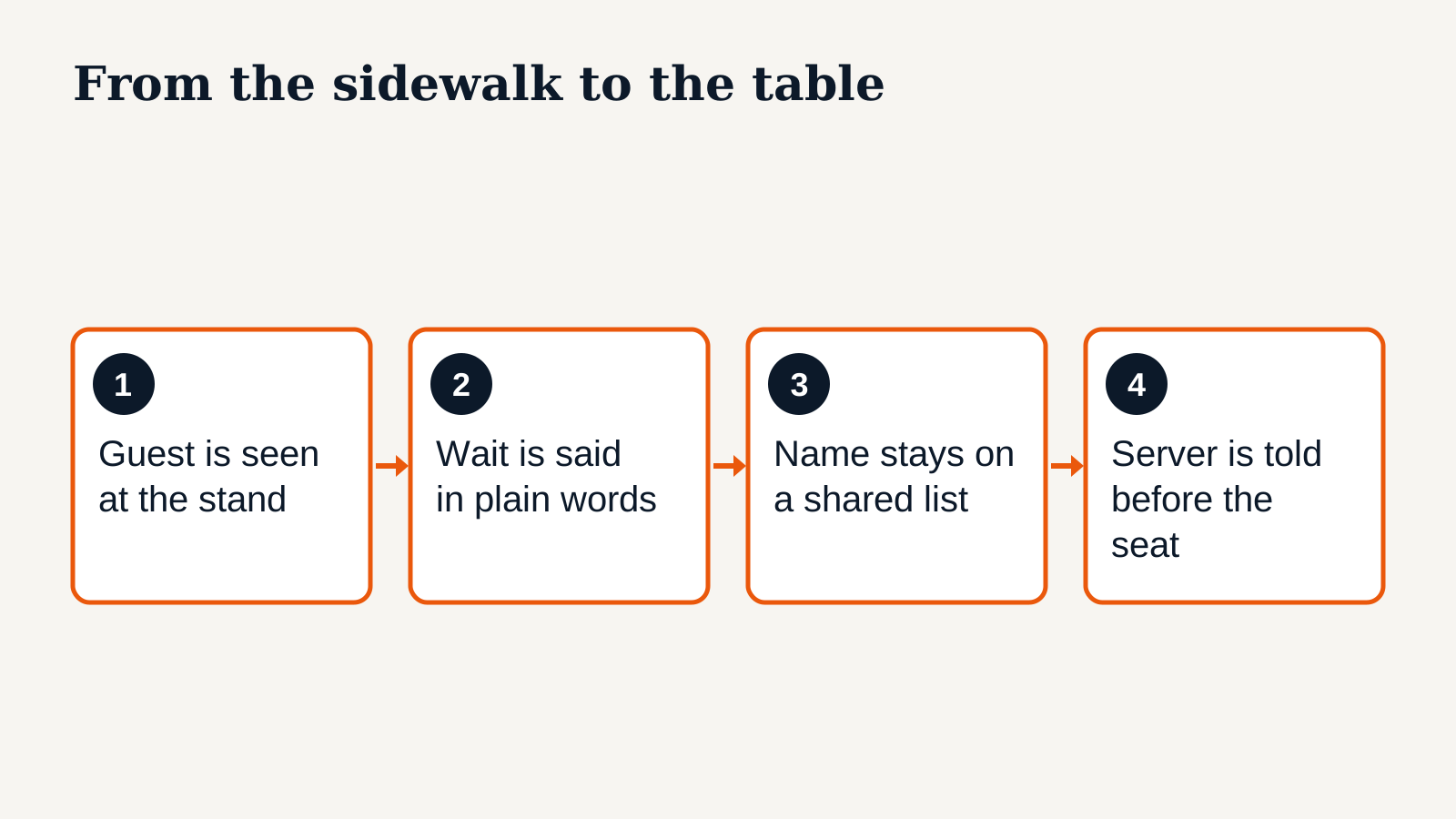
A useful host line is short and concrete. Say you see them. Say what you know about the wait in plain words. Say where they can stand or sit while the table clears. Say you will come back, and then come back. Write the name where the next person on the stand can read it if you step away to seat someone else. The handoff is the failure, not the fullness of the room.
A regular can forgive a full room. A regular has a harder time forgiving a room that will not look up.
When the owner finally notices
The owner does not notice on the night the regular leaves. The owner notices later, on another Friday night, when a room that used to feel familiar feels like a room of strangers. By then the regular has a new habit. They are not writing a complaint. They are simply not coming. The worry about retention sits on the owner with nothing left to fix in the moment.
What a Friday night wait does to a restaurant's regulars is easy to miss from the kitchen. The food can be the same. The reviews can be quiet. The missing piece is the habit at the stand. The owner first stops worrying about that retention gap when a busy Friday night still has names, party notes, and a person who owns the next update. The room has a habit instead of a hero. The owner can go back to the pass.
A Friday routine a small room can keep
Walk the stand before the rush with the closer from the night before. Ask which names came in, which parties waited without an update, and which tables turned late because the server did not know a regular had been standing. Keep that talk short. You want a pattern, not a speech.
Put the wait list where the host and the manager can both see it. A notebook on the stand beats a list that lives in a personal phone. If you take reservations, or you text when the table is ready, the rule is the same. The guest hears from the restaurant before they decide the restaurant forgot them.
Tell the server, before the guest sits, that this party waited and whether they have been here before. The opening minutes at the table should not repeat the wait. A greeting that uses the name, a server who already knows the party, and a table that is actually ready will do more than a comp invented at the end of the night.
After close, mark the names that left before sitting and the names that sat and stayed. You are not building a research file. You are teaching the next host what this Friday night felt like from the sidewalk side of the stand. Tomorrow's list gets better only if today's list survives the shift.
If the stand is a single person, decide in advance who covers it when that person seats a table or steps to the pass. A full room with an empty stand is how a regular leaves without a scene. The cover can be the manager, a server who is not in the weeds, or the owner for the peak stretch. Name that cover before the door gets loud.
What the regular remembers
Regulars do not remember your floor plan. They remember whether someone looked up, whether the wait was honest, and whether the table felt expected when they finally sat. A Metro Atlanta Friday night gives them plenty of other rooms if those memories go bad. You do not have to be the fastest room in town. You do have to be the room that keeps its word while people wait.
Treat the bar as part of the wait, not as a shrug. If a seat at the bar is real, offer it as a real seat, with a server who knows the guest is still in line for a table. If the bar is full, do not point at it anyway. Say so, and give the next true option. A false offer is just another silence with extra steps.
When a party is large, or a child is tired, or someone in the group needs a quieter spot, note it on the list while they are still standing. The seating process the National Restaurant Association points at is mostly this kind of noticing. It costs nothing but attention, and it is the difference between a wait that feels minded and a wait that feels like a line.
What to do this week
- Stand at your own host stand for a full turn and listen for the words a waiting guest actually hears.
- Write the wait list where the next host can read it without asking.
- Tell every server, before the seat, when a party has been waiting.
- Name who covers the stand when the host steps away.
- After close, note who left before sitting and who you expect on the next Friday night.